
Vera Ghali, MD retweeted

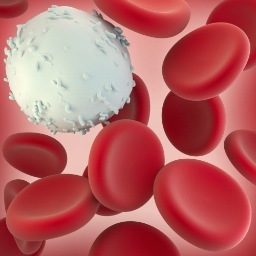
A comprehensive review on prognosis in Marginal Zone Lymphoma (MZL), a group of heterogeneous indolent B-cell Non-Hodgkin Lymphoma (NHL) that develop in the marginal zone of lymphoid tissue. It encompasses 3 pathology subtypes: extranodal MZL
(EMZL) of mucosa-associated lymphoid tissue (MALT) lymphoma; Splenic MZL (SMZL), and Nodal MZL (NMZL). Key genetic alterations comprising mutations in NOTCH2, KLF2, and TNFAIP3 genes affect critical pathways regulating survival, proliferation, and immune response. Genetic factors, infections, and autoimmune disorders contribute significantly to the pathogenesis of MZL, particularly EMZL. Chronic antigenic stimulation leads to the expansion of reactive B-cell clones resulting in malignant transformation. Early-stage disease have favorable prognosis, especially EMZL-MALT and SMZL. The heterogeneity of MZL is reflected in therapeutic strategies, risk stratification and prognosis. The recent emergence of the Marginal Zone Lymphoma International Prognostic Index (MZL-IPI) as a unified model offers a comprehensive approach to risk stratification PFS and OS that integrates data from all MZL subtypes and parameters unique to each variant. It integrates validated parameters such as LDH, Hb levels, platelet counts, absolute lymphocyte counts and MZL subtype. Recent advances in molecular profiling and biomarkers discovery have significantly refined prognostic assessment with genetic alterations of NOTCH2 and KMT2D mutations and markers of tumor microenvironment (TME) dysregulation and provided more accurate insights into disease progression and treatment resistance. The review undrescores that future research efforts should integrate biomarkers, molecular profiling, and functional imaging to refine risk stratification and define parameters with the greatest impact on long-term quality of life and disease control.
(EMZL) of mucosa-associated lymphoid tissue (MALT) lymphoma; Splenic MZL (SMZL), and Nodal MZL (NMZL). Key genetic alterations comprising mutations in NOTCH2, KLF2, and TNFAIP3 genes affect critical pathways regulating survival, proliferation, and immune response. Genetic factors, infections, and autoimmune disorders contribute significantly to the pathogenesis of MZL, particularly EMZL. Chronic antigenic stimulation leads to the expansion of reactive B-cell clones resulting in malignant transformation. Early-stage disease have favorable prognosis, especially EMZL-MALT and SMZL. The heterogeneity of MZL is reflected in therapeutic strategies, risk stratification and prognosis. The recent emergence of the Marginal Zone Lymphoma International Prognostic Index (MZL-IPI) as a unified model offers a comprehensive approach to risk stratification PFS and OS that integrates data from all MZL subtypes and parameters unique to each variant. It integrates validated parameters such as LDH, Hb levels, platelet counts, absolute lymphocyte counts and MZL subtype. Recent advances in molecular profiling and biomarkers discovery have significantly refined prognostic assessment with genetic alterations of NOTCH2 and KMT2D mutations and markers of tumor microenvironment (TME) dysregulation and provided more accurate insights into disease progression and treatment resistance. The review undrescores that future research efforts should integrate biomarkers, molecular profiling, and functional imaging to refine risk stratification and define parameters with the greatest impact on long-term quality of life and disease control.
Marginal zone lymphomas (MZL) pose a unique clinical challenge due to their marked heterogeneity across extranodal, nodal, and splenic subtypes.
📄 Read the full review: doi.org/10.3324/haemat…

0
1
4
382
Vera Ghali, MD retweeted
The beautiful AUB campus always brings a surge of nostalgic and happy memories, like walking down the memory lane. It is not only about the luxurious flowers and green trees, or the sparkling blue Mediterranean that glitters through tree branches, but the precious memories of our teachers, friends, and the invaluable learning experiences that accompany us graduates wherever we go throughout our lives
💙 🎓 📚
💙 🎓 📚
0
1
4
65
Vera Ghali, MD retweeted
The U.S. F.D.A has issued a warning of the potential increased risk of non-arteritic anterior ischemic optic neuropathy (NAION) associated with the use of glucagon-like peptide-1 receptor agonists (GLP-1 RAs). NAION is a rare condition that can result in sudden painless, decreased vision in one eye, with visual defects associated with color disturbances, tunnel vision, and blurriness, that may proceed to total loss of vision. GLP-1 RA medications include semaglutides like Ozempic, Wegovy, and Rybelsus; and tirzepatides such as Mounjaro, among others. GLP-1 RAs mimic the natural gut hormone glucagon-like peptide-1 that helps regulate blood sugar, slow digestion, and promote feelings of satiety. They help in managing diabetes by suppressing glucagon and stimulating insulin release from the islets of Langerhans in the pancreas, thus lowering blood glucose and HbA1 levels. They are also used in chronic weight management and obesity by reducing hunger cravings, food intake, and slowing emptying. Other benefits of GLP-1 RAs include reducing cardiovascular events and metabolic dysfunction -associated steatotic liver disease (MASLD)/fatty liver disease. However, cases of acute pancreatitis were associated with the use of GLP-1 RAs and severe loss of muscle mass. The use of GLP-1 RAs must be carefully weighed considering the serious adverse effects they are likely to cause, and consequently, they must be administered under very strict medical observation and reserved for serious health
condions, such as refractory diabetes and morbid obesity. It must be mentioned that weight gain is likely to resume after these medications are stopped. Life-style management including healthier eating habits, increased physical activity, and counseling are safer and are essential methods in weight reduction and in controlling obesity.
condions, such as refractory diabetes and morbid obesity. It must be mentioned that weight gain is likely to resume after these medications are stopped. Life-style management including healthier eating habits, increased physical activity, and counseling are safer and are essential methods in weight reduction and in controlling obesity.
Today, we are informing patients and health care providers of a potential increased risk of non-arteritic anterior ischemic optic neuropathy (NAION) associated with use of GLP-1 RA medications.
NAION is a rare condition that can result in acute, painless, decreased vision in one t vision loss. Symptoms of NAION include sudden, painless vision loss in one eye that patients may notice upon waking: visual defects such as blind spots, distortion of colors, blurriness, or tunnel vision.
Patients should contact their health care professional right away if they have any of these symptoms. fda.gov/drugs/drug-saf…


0
2
5
739
A comprehensive review on prognosis in Marginal Zone Lymphoma (MZL), a group of heterogeneous indolent B-cell Non-Hodgkin Lymphoma (NHL) that develop in the marginal zone of lymphoid tissue. It encompasses 3 pathology subtypes: extranodal MZL
(EMZL) of mucosa-associated lymphoid tissue (MALT) lymphoma; Splenic MZL (SMZL), and Nodal MZL (NMZL). Key genetic alterations comprising mutations in NOTCH2, KLF2, and TNFAIP3 genes affect critical pathways regulating survival, proliferation, and immune response. Genetic factors, infections, and autoimmune disorders contribute significantly to the pathogenesis of MZL, particularly EMZL. Chronic antigenic stimulation leads to the expansion of reactive B-cell clones resulting in malignant transformation. Early-stage disease have favorable prognosis, especially EMZL-MALT and SMZL. The heterogeneity of MZL is reflected in therapeutic strategies, risk stratification and prognosis. The recent emergence of the Marginal Zone Lymphoma International Prognostic Index (MZL-IPI) as a unified model offers a comprehensive approach to risk stratification PFS and OS that integrates data from all MZL subtypes and parameters unique to each variant. It integrates validated parameters such as LDH, Hb levels, platelet counts, absolute lymphocyte counts and MZL subtype. Recent advances in molecular profiling and biomarkers discovery have significantly refined prognostic assessment with genetic alterations of NOTCH2 and KMT2D mutations and markers of tumor microenvironment (TME) dysregulation and provided more accurate insights into disease progression and treatment resistance. The review undrescores that future research efforts should integrate biomarkers, molecular profiling, and functional imaging to refine risk stratification and define parameters with the greatest impact on long-term quality of life and disease control.
(EMZL) of mucosa-associated lymphoid tissue (MALT) lymphoma; Splenic MZL (SMZL), and Nodal MZL (NMZL). Key genetic alterations comprising mutations in NOTCH2, KLF2, and TNFAIP3 genes affect critical pathways regulating survival, proliferation, and immune response. Genetic factors, infections, and autoimmune disorders contribute significantly to the pathogenesis of MZL, particularly EMZL. Chronic antigenic stimulation leads to the expansion of reactive B-cell clones resulting in malignant transformation. Early-stage disease have favorable prognosis, especially EMZL-MALT and SMZL. The heterogeneity of MZL is reflected in therapeutic strategies, risk stratification and prognosis. The recent emergence of the Marginal Zone Lymphoma International Prognostic Index (MZL-IPI) as a unified model offers a comprehensive approach to risk stratification PFS and OS that integrates data from all MZL subtypes and parameters unique to each variant. It integrates validated parameters such as LDH, Hb levels, platelet counts, absolute lymphocyte counts and MZL subtype. Recent advances in molecular profiling and biomarkers discovery have significantly refined prognostic assessment with genetic alterations of NOTCH2 and KMT2D mutations and markers of tumor microenvironment (TME) dysregulation and provided more accurate insights into disease progression and treatment resistance. The review undrescores that future research efforts should integrate biomarkers, molecular profiling, and functional imaging to refine risk stratification and define parameters with the greatest impact on long-term quality of life and disease control.
Marginal zone lymphomas (MZL) pose a unique clinical challenge due to their marked heterogeneity across extranodal, nodal, and splenic subtypes.
📄 Read the full review: doi.org/10.3324/haemat…
0
1
4
382
Vera Ghali, MD retweeted
Wishing you my friends a happy day ✨️
"Circles in a Circle"
Wassily Kandinsky
"Circles in a Circle"
Wassily Kandinsky

1
2
9
200
The U.S. F.D.A has issued a warning of the potential increased risk of non-arteritic anterior ischemic optic neuropathy (NAION) associated with the use of glucagon-like peptide-1 receptor agonists (GLP-1 RAs). NAION is a rare condition that can result in sudden painless, decreased vision in one eye, with visual defects associated with color disturbances, tunnel vision, and blurriness, that may proceed to total loss of vision. GLP-1 RA medications include semaglutides like Ozempic, Wegovy, and Rybelsus; and tirzepatides such as Mounjaro, among others. GLP-1 RAs mimic the natural gut hormone glucagon-like peptide-1 that helps regulate blood sugar, slow digestion, and promote feelings of satiety. They help in managing diabetes by suppressing glucagon and stimulating insulin release from the islets of Langerhans in the pancreas, thus lowering blood glucose and HbA1 levels. They are also used in chronic weight management and obesity by reducing hunger cravings, food intake, and slowing emptying. Other benefits of GLP-1 RAs include reducing cardiovascular events and metabolic dysfunction -associated steatotic liver disease (MASLD)/fatty liver disease. However, cases of acute pancreatitis were associated with the use of GLP-1 RAs and severe loss of muscle mass. The use of GLP-1 RAs must be carefully weighed considering the serious adverse effects they are likely to cause, and consequently, they must be administered under very strict medical observation and reserved for serious health
condions, such as refractory diabetes and morbid obesity. It must be mentioned that weight gain is likely to resume after these medications are stopped. Life-style management including healthier eating habits, increased physical activity, and counseling are safer and are essential methods in weight reduction and in controlling obesity.
condions, such as refractory diabetes and morbid obesity. It must be mentioned that weight gain is likely to resume after these medications are stopped. Life-style management including healthier eating habits, increased physical activity, and counseling are safer and are essential methods in weight reduction and in controlling obesity.
Today, we are informing patients and health care providers of a potential increased risk of non-arteritic anterior ischemic optic neuropathy (NAION) associated with use of GLP-1 RA medications.
NAION is a rare condition that can result in acute, painless, decreased vision in one t vision loss. Symptoms of NAION include sudden, painless vision loss in one eye that patients may notice upon waking: visual defects such as blind spots, distortion of colors, blurriness, or tunnel vision.
Patients should contact their health care professional right away if they have any of these symptoms. fda.gov/drugs/drug-saf…
0
2
5
739
Vera Ghali, MD retweeted
A study validated ASH/AAP iron deficiency (ID) guidelines in patients without inflammation by using red blood cells (RBCs) parameters, Hb, HCT, MCV, MCH, MCHC, and RDW, to establish functional ferritin cutoffs for the diagnosis of iron deficiency(ID) in children and adults. Ferritin is the single best marker for the diagnosis of ID which has deleterious effects impacting cognitive performance in children, adverse outcomes in pregnancy for both mothers and newborns, decreased physical working capacities in adults, and cognitive decline in the elderly. RBC parameters change as a function of ferritin for both males and females. The study showed the functional lower reference limit to be 17 ng/mL for children aged 1-4 years, and at least
19 ng/mL from 5-12 years for both males and females, at least 29 ng/mL for males aged 13-59 years and at least 34 ng/mL for males aged >59 years. ID without inflammation is defined as <20 ng/mL between ages 9 months and 19 years, <30 ng/mL for adult males and females, and <30 ng/mL for menstruating patients including adolescent females. It is important to note that ferritin is an acute phase reactant and its levels increase significantly in response to inflammation, infections, tissue damage , autoimmune flare-ups, and in malignancy falsely masking true iron deficiency. Ferritin values must be correlated with preexisting levels of inflammation, where iron sequestration occurs due to ramping up of ferritin and hepcidin, the primary hormone that controls iron balance, a process that locks up iron inside cells and macrophages, resulting in anemia of chronic disease.
19 ng/mL from 5-12 years for both males and females, at least 29 ng/mL for males aged 13-59 years and at least 34 ng/mL for males aged >59 years. ID without inflammation is defined as <20 ng/mL between ages 9 months and 19 years, <30 ng/mL for adult males and females, and <30 ng/mL for menstruating patients including adolescent females. It is important to note that ferritin is an acute phase reactant and its levels increase significantly in response to inflammation, infections, tissue damage , autoimmune flare-ups, and in malignancy falsely masking true iron deficiency. Ferritin values must be correlated with preexisting levels of inflammation, where iron sequestration occurs due to ramping up of ferritin and hepcidin, the primary hormone that controls iron balance, a process that locks up iron inside cells and macrophages, resulting in anemia of chronic disease.
Study on very large US database provides functional ferritin thresholds (30 ng/mL for ages 13–59 and at least 34 ng/mL for males over 60 years), and validates ASH/AAP guidelines for diagnosis of iron deficiency in the absence of inflammation.
@QuestDX
onlinelibrary.wiley.com/doi/10.1002/aj…

2
3
6
647

A study validated ASH/AAP iron deficiency (ID) guidelines in patients without inflammation by using red blood cells (RBCs) parameters, Hb, HCT, MCV, MCH, MCHC, and RDW, to establish functional ferritin cutoffs for the diagnosis of iron deficiency(ID) in children and adults. Ferritin is the single best marker for the diagnosis of ID which has deleterious effects impacting cognitive performance in children, adverse outcomes in pregnancy for both mothers and newborns, decreased physical working capacities in adults, and cognitive decline in the elderly. RBC parameters change as a function of ferritin for both males and females. The study showed the functional lower reference limit to be 17 ng/mL for children aged 1-4 years, and at least
19 ng/mL from 5-12 years for both males and females, at least 29 ng/mL for males aged 13-59 years and at least 34 ng/mL for males aged >59 years. ID without inflammation is defined as <20 ng/mL between ages 9 months and 19 years, <30 ng/mL for adult males and females, and <30 ng/mL for menstruating patients including adolescent females. It is important to note that ferritin is an acute phase reactant and its levels increase significantly in response to inflammation, infections, tissue damage , autoimmune flare-ups, and in malignancy falsely masking true iron deficiency. Ferritin values must be correlated with preexisting levels of inflammation, where iron sequestration occurs due to ramping up of ferritin and hepcidin, the primary hormone that controls iron balance, a process that locks up iron inside cells and macrophages, resulting in anemia of chronic disease.
19 ng/mL from 5-12 years for both males and females, at least 29 ng/mL for males aged 13-59 years and at least 34 ng/mL for males aged >59 years. ID without inflammation is defined as <20 ng/mL between ages 9 months and 19 years, <30 ng/mL for adult males and females, and <30 ng/mL for menstruating patients including adolescent females. It is important to note that ferritin is an acute phase reactant and its levels increase significantly in response to inflammation, infections, tissue damage , autoimmune flare-ups, and in malignancy falsely masking true iron deficiency. Ferritin values must be correlated with preexisting levels of inflammation, where iron sequestration occurs due to ramping up of ferritin and hepcidin, the primary hormone that controls iron balance, a process that locks up iron inside cells and macrophages, resulting in anemia of chronic disease.
Study on very large US database provides functional ferritin thresholds (30 ng/mL for ages 13–59 and at least 34 ng/mL for males over 60 years), and validates ASH/AAP guidelines for diagnosis of iron deficiency in the absence of inflammation.
@QuestDX
onlinelibrary.wiley.com/doi/10.1002/aj…
2
3
6
647
Vera Ghali, MD retweeted
A beautiful photograph of a cardiomyocyte captured through a high-powered microscope using the fluorescent technique, showing alpha-actinin II (thin red filaments), a primary motor protein encoded by the ACTN2 gene, and the beta-myosin II heavy chain (the thick gold-yellow filaments), another primary motor protein encoded by the MYH9 gene. These two primary motor proteins are arranged in a striated pattern forming the sarcomere. Together, these proteins maintain the integrity of the sarcomere, the basic contractile unit of the cardiomyocytes that allow them to contract providing the pumping mechanism that underlies every heart beat 💓 💓 💓
A heart muscle cell photographed through a microscope. #CellBiology


1
2
7
506
A beautiful photograph of a cardiomyocyte captured through a high-powered microscope using the fluorescent technique, showing alpha-actinin II (thin red filaments), a primary motor protein encoded by the ACTN2 gene, and the beta-myosin II heavy chain (the thick gold-yellow filaments), another primary motor protein encoded by the MYH9 gene. These two primary motor proteins are arranged in a striated pattern forming the sarcomere. Together, these proteins maintain the integrity of the sarcomere, the basic contractile unit of the cardiomyocytes that allow them to contract providing the pumping mechanism that underlies every heart beat 💓 💓 💓
A heart muscle cell photographed through a microscope. #CellBiology
1
2
7
506
Vera Ghali, MD retweeted
A study uncovered a development-specific plasticity in fetal lymphoid progenitors manifesting as a hybrid lymphomyeloid chromatin program not present in adult progenitors. Hematopoietic stem cells (HSCs) become increasingly myeloid and platelet-biased with age. Additionally, the motif and regulatory elements for PAX5, master regulator of B-cell development, show markedly reduced accessibility in fetal cells, supporting a more plastic and less restricted lymphoid state. The enhanced embryonic lineage plasticity may underlie the prenatal susceptibility to mutational drivers of lymphoblastic leukemia, whereas adult HSCs exhibit chromatin level and functional myeloid bias. This age-dependent shift in lineage bias mirrors the occurence of acute leukemias, with lymphoid leukemias occurring predominately in children and myeloid leukemias predominantly in older individuals. The findings provide new insights into chromatin architecture of primitive HSCs revealing an ontogeny-specific plasticity. This flexibility, encoded at the epigenetic level underlies the developmental potential of fetal hematopoiesis and may contribute to its susceptibility to leukemogenic driver events.
The fetal HSC state is permissive, with mixed in vitro output, whereas adult HSCs exhibit chromatin-level and functional myeloid bias. Fetal lymphoid progenitors exhibit lymphomyeloid chromatin priming with reduced PAX5 motif and enhancer accessibility. ow.ly/pXQF5101vg6


1
2
5
866
Vera Ghali, MD retweeted
Bob Dylan, Robert Allen Zimmerman, the great American singer-songwriter, and author, was born on May 24, 1941. He remains a most influential figure in popular culture, folk, country, and rock music. He is the recipient of the Presidential Medal of Freedom in 2012, and the 2016 Nobel Prize in Literature for his inspirational poetry and music. He wrote the iconic poem and song "Blowin' in the Wind" in 1962, which has ever since remained prominent in counterculture as an emblematic call for freedom, compassion, defiance of conventions, and standing up for humanitarian values and responsibility.
music.youtube.com/watch?v=KJBbX0…
music.youtube.com/watch?v=KJBbX0…
1
3
6
439

Vera Ghali, MD retweeted
Tumor microenvironment (TME) reprogramming from within and therapeutic applications. The tumor microenvironment (TME) is a critical driver of immune evasion and undermines the effectiveness of current cancer therapies. Tumors range from immunoreactive microenvironments to immunosuppressive microenvironments characterized by myeloid-driven immunosuppression, dense stromal barriers, and effective T-cell exclusion. These resistant drivers are notable in solid tumors where the more stable TME is altered to foster local tumor survival and growth that favor tumor progression as in pancreatic, prostate, and some breast cancers, which are characterized by immune-excluded, or immunosuppressive microenvironments and fibrotic stroma which limit responses to systemic immunotherapies such as checkpoint inhibitors. These tumors evade immune destruction by creating an immunosuppressive environment both locally at the tumor site and systemically throughout the body by recruiting and suppressing immune populations such as regulatory T-cells (Tregs), myeloid-derived suppressor cells, and by producing physical barriers such dense stroma. Molecular suppressors such as transforming growth (TGF)-beta factor, IL-10, and chronic antigen exposure can lead to cytotoxic CD8+ T-cell exhaustion and an ineffective immune response. Solid tumors that are immune-excluded and poorly responsive to systemic immunotherapies are prime candidates for localized immune activation as the underlying driver of resistance includes physical and functional barriers that can be overcome by targeted immunomodulation. Tumors that fail to respond to checkpoint inhibitors such as non-small cell lung carcinoma and melanoma, have the potential to benefit from interventions that reprogram local suppression and trigger immune response. The study proposes engineered delivery vehicles and tumor-specific targeting that transform TME into a controllable site for precise immune activation, emphasizing the fact that each component of a multiagent therapy must demonstrate a meaningful and independent contribution to efficacy and safety rather than relying on the overall effect of the combination alone. The study underscores that the most effective future approaches must overcome local barriers within the TME and establish lasting immune memory and long-term immune surveillance capable of controlling regional and distant disease. Continued integration of biomaterial engineering, immunobiology, and
image-guided delivery can provide more personalized therapies in the future and better sustained anti-tumor immune activation.
image-guided delivery can provide more personalized therapies in the future and better sustained anti-tumor immune activation.
New #JITC article: "Reprogramming the tumor microenvironment from within: intratumoral immunoadjuvants in cancer immunotherapy" doi.org/10.1136/jitc-2…


1
2
9
891
Vera Ghali, MD retweeted
May-Hegglin Anomaly (MHA). A peripheral blood smear (PBS) showing a segmented neutrophil with a multi-lobed nucleus and pale blue-purple, rod-like basophilic inclusions, Döhle-like bodies, comprised of RNA, remnants of endoplasmic reticulum, and ribosome aggregates. There is also a giant thrombocyte. Giant platelets and Döhle-like bodies are pathognomic and the hallmark of MHA, an autosomal dominant genetic disorder caused by mutations in the MYH9 gene that encodes non-muscle myosin heavy chain IIA (NMMHC-IIA). MHA is a component of MYH9-Related Disorders
(MYH9-RD) that also include Sebastian, Fechtner, and Epstein syndromes. MHA affects platelets causing them to be abnormally large with a low platelet count resulting in macrothrombocytopenia, with severe bleeding, associated with sensorineural hearing loss, cataracts, and renal failure. Diagnosis is by PBS analysis, family history, and gene sequencing. Ddx: disorders with True Döhle-Bodies, other MYH9-RD, ITP, Alport and Bernard-Soulier syndromes. A MHA may also be triggered by stress-provoking conditions such as severe infections, inflammation, or pregnancy.
Tx. Tranexamic acid, an antifibrinolytic agent that inhibits plasmin and prevents it from breaking down blood clots and reduces bleeding; desmopressin acetate, a synthetic analog of vasopressin, an antidiuretic agent which stimulates the release of VWB Factor and Factor VIII from endothelial cells and decreases bleeding time. Platelet transfusions are not recommended and are not useful since the affected platelets will overtake the transfused healthy platelets. It is also important to do a repeat manual differential count to confirm diagnosis.
This image has been on every hematology board since the dawn of time.


1
3
8
1,156
A study uncovered a development-specific plasticity in fetal lymphoid progenitors manifesting as a hybrid lymphomyeloid chromatin program not present in adult progenitors. Hematopoietic stem cells (HSCs) become increasingly myeloid and platelet-biased with age. Additionally, the motif and regulatory elements for PAX5, master regulator of B-cell development, show markedly reduced accessibility in fetal cells, supporting a more plastic and less restricted lymphoid state. The enhanced embryonic lineage plasticity may underlie the prenatal susceptibility to mutational drivers of lymphoblastic leukemia, whereas adult HSCs exhibit chromatin level and functional myeloid bias. This age-dependent shift in lineage bias mirrors the occurence of acute leukemias, with lymphoid leukemias occurring predominately in children and myeloid leukemias predominantly in older individuals. The findings provide new insights into chromatin architecture of primitive HSCs revealing an ontogeny-specific plasticity. This flexibility, encoded at the epigenetic level underlies the developmental potential of fetal hematopoiesis and may contribute to its susceptibility to leukemogenic driver events.
The fetal HSC state is permissive, with mixed in vitro output, whereas adult HSCs exhibit chromatin-level and functional myeloid bias. Fetal lymphoid progenitors exhibit lymphomyeloid chromatin priming with reduced PAX5 motif and enhancer accessibility. ow.ly/pXQF5101vg6
1
2
5
866